- Dec 16, 2025
Get More From Your Walking Plan
- Christine Angelica
- Habit Builders, Overall Wellbeing
Why Walking Works (The Science, Briefly)
It's heavily supported by science:
Brain chemistry: Walking increases dopamine and serotonin availability, improving mood, motivation, and cognitive flexibility.
Stress regulation: Rhythmic, bilateral movement calms the nervous system and reduces cortisol.
Metabolism: Even low-intensity walking improves glucose uptake and insulin sensitivity.
Joint health: Walking nourishes cartilage through compression and release—no impact required.
Longevity: Consistent walking is strongly associated with reduced all-cause mortality.
Walking isn’t “less than” exercise—it’s foundational movement.
Walking works because it’s a low-impact superpower that supports your body, brain, and mood—and is easy to integrate into your day, almost anywhere, anytime. It supports the brain, body, and nervous system in significant way.
Done consistently—and simply—it’s one of the highest-return habits you can build.
Walking Form Basics (Do This, Skip That)
Do
Head stacked over shoulders, eyes forward (not down).
Relaxed arm swing, elbows bent ~90°, hands loose.
Heel-to-toe stride, natural length—don’t overreach.
Upright torso, slight forward lean from the ankles.
Don’t
Lock your shoulders or clench fists.
Overstride (it increases joint stress).
Stare at your phone the entire walk.
How Much Walking Is Enough?
Minimum effective dose: 5–10 minutes at a time still counts.
Daily target: 6,000–8,000 steps for general health; more is optional, not required.
Frequency beats intensity: Regular walking outperforms sporadic “hard” workouts for consistency.
Pace Matters (But Not How You Think)
Easy pace: You can speak full sentences → nervous system & recovery benefits.
Brisk pace: You can talk, but not sing → cardiovascular and metabolic gains.
Intervals: Short bursts of faster walking can boost VO₂ max without running.
Use the talk test, not a stopwatch.
Technology To Help You Take More Steps
Helpful Tech
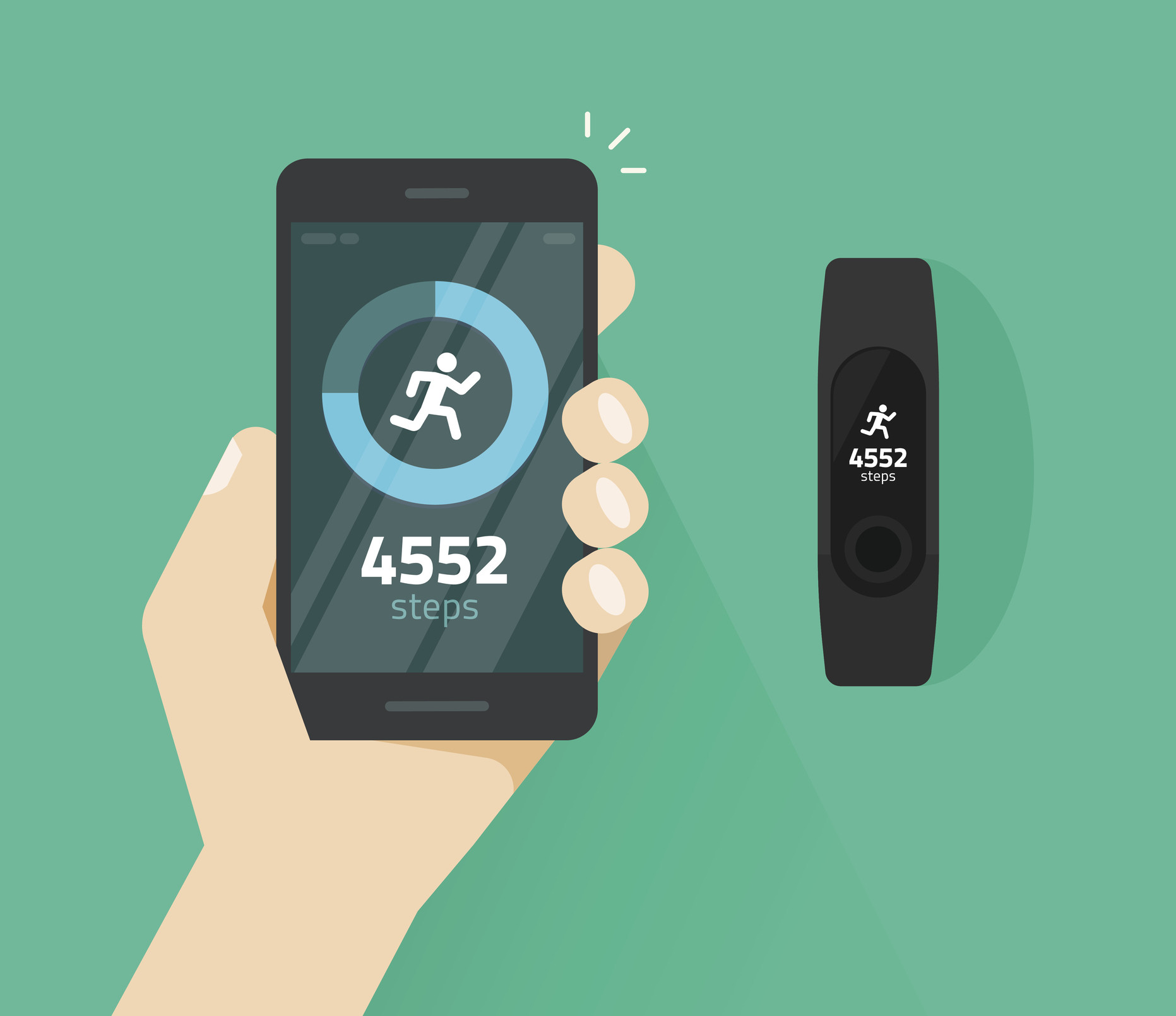
Step counters or watches for awareness, not pressure.
Podcasts or audiobooks to pair walking with learning.
Timers instead of distance if motivation is low.
Watch Outs
Constant pace-checking (can reduce enjoyment).
Noise-canceling headphones outdoors—lower awareness.
Letting “perfect data” replace actually going out.
Safety Basics (Non-Negotiables)
Walk facing traffic if no sidewalk is available.
Use reflective gear or lights at dawn/dusk.
Keep volume low enough to hear surroundings.
Choose routes you feel safe walking—psychological safety matters too.
Shoes & Surfaces (Less Fancy Than You Think)
Shoes: Comfortable, flexible, and stable beats trendy. Replace when worn unevenly.
Surfaces: Sidewalks and trails are ideal. Mix surfaces to reduce repetitive strain.
Bare minimum: Pain is a signal—don’t walk through it.
Walking for Mental Health
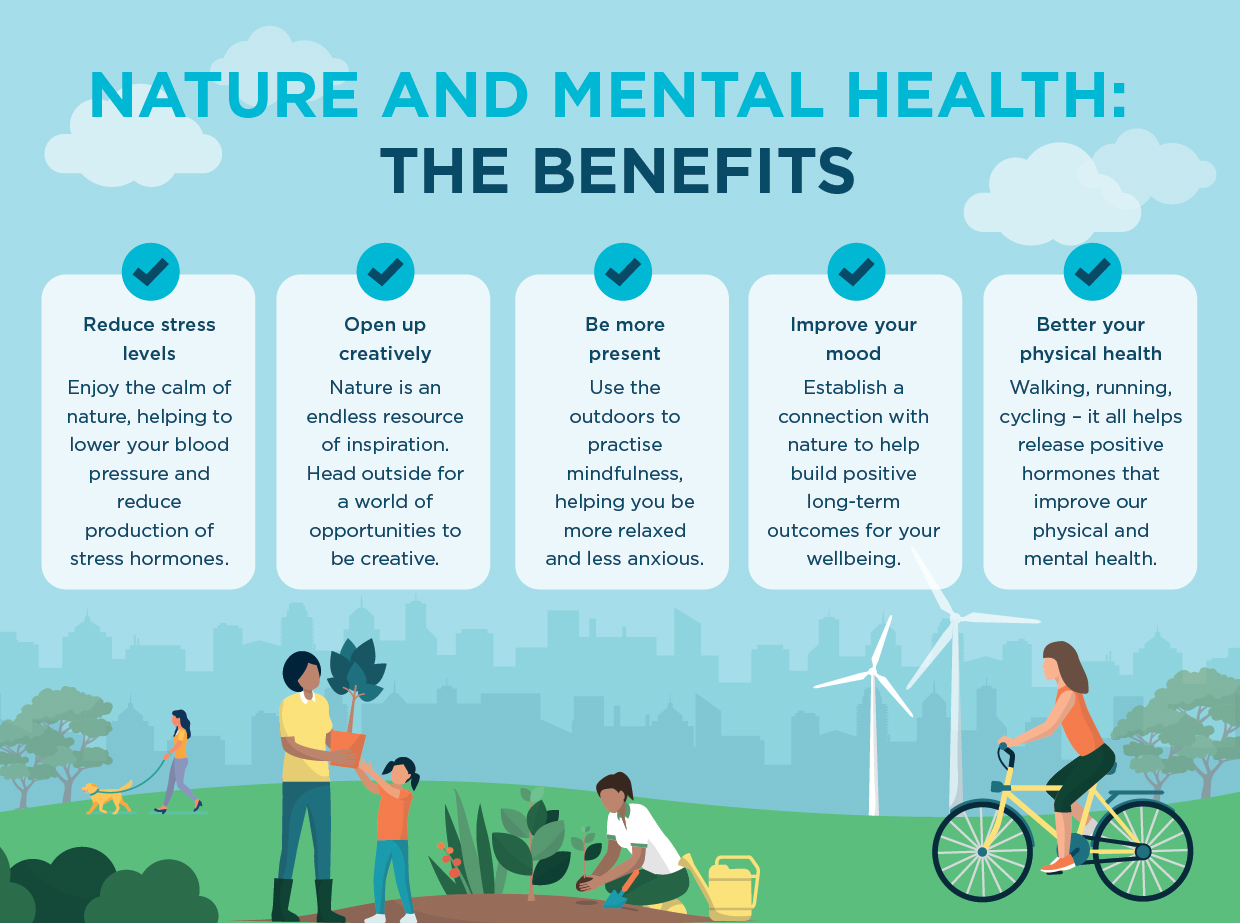
Outdoor walking increases mood benefits versus indoor movement.
Nature exposure enhances attention and emotional regulation.
Walking while mildly stressed can resolve stress—walking while exhausted should be gentler.
Common Myths
“Walking doesn’t count.” It does—biologically and statistically.
“You need long walks.” Short, frequent walks are equally powerful.
“It’s only for beginners.” Walking is lifelong movement, not a phase.
Join Us
For the full walking guide—including creative ways to make it a shared, sustainable practice—subscribe to our monthly wellbeing box and practice with our Wellbeing Circle.